
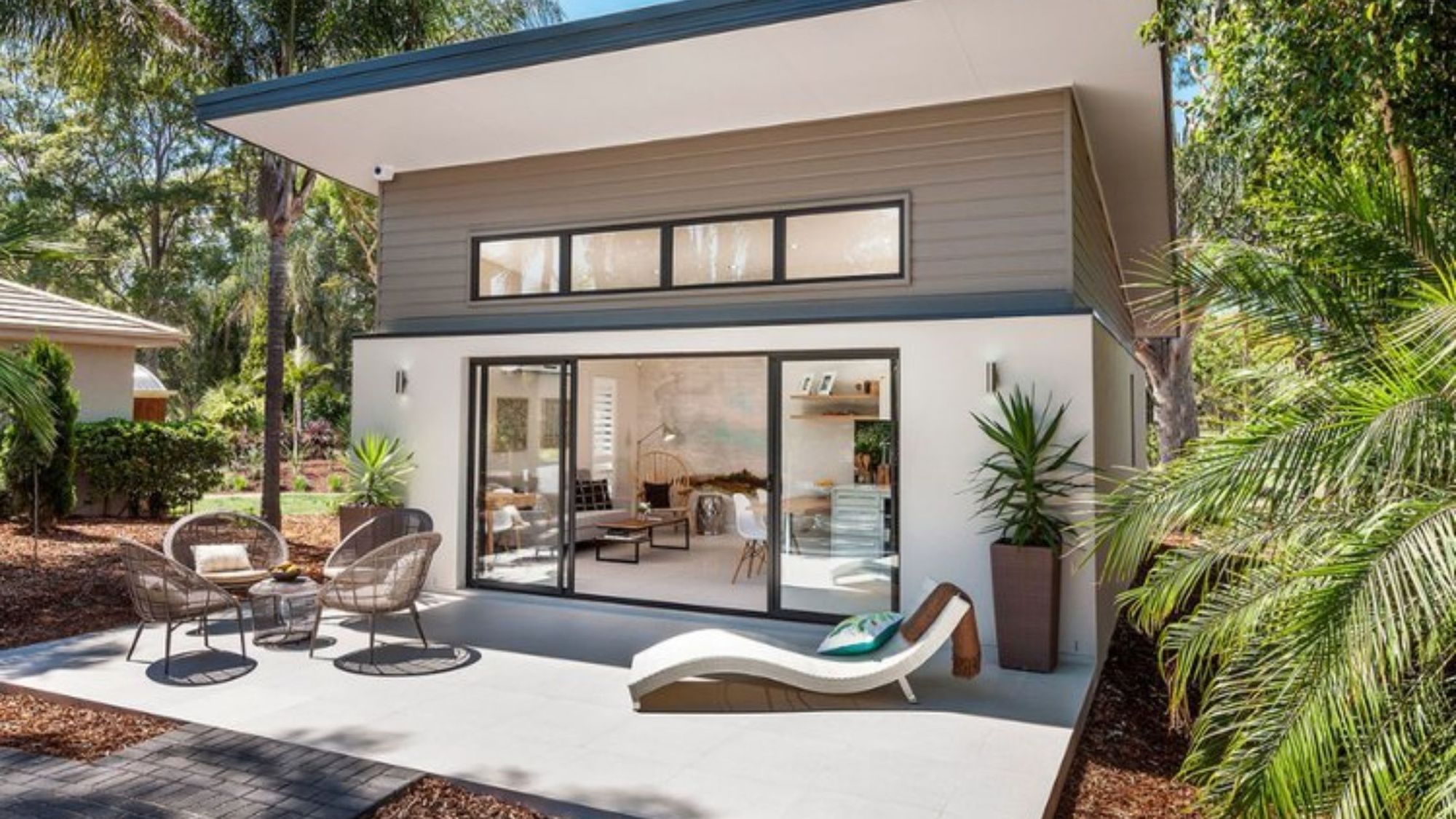
For homeowners exploring design build services in San Diego, the main choice often comes down to two approaches: working with one integrated design-build team or hiring separate professionals for design and construction. The key difference is project coordination. A design-build company manages both stages together, while traditional construction typically keeps the design and building responsibilities separate.
Key Takeaways
Design-build can make a remodeling project easier to coordinate because design and construction are handled as one connected process.
- Design and construction work together from the beginning.
- Traditional construction may involve separate contracts and teams.
- Design-build provides one main point of contact.
- Both approaches can work, depending on the project.
- Design-build can be especially useful for remodels, additions, ADUs, and custom homes.
How Does Design-Build Construction Work in San Diego?
The process commonly includes:
- Design and planning
- Budget and scope development
- Permits and approvals
- Construction
- Inspections
- Final walkthrough
This approach can reduce the communication gaps that sometimes occur when different companies are responsible for different stages.
How Does Traditional Construction Usually Work?
Traditional construction often separates design from construction. A homeowner may first work with an architect or designer, then use the completed plans to select a general contractor.
That process can work well, especially when the project requires specialized architectural services. However, it can also mean that the homeowner has to coordinate communication between different parties.
A change made during construction may need to travel between the designer, contractor, subcontractors, and homeowner before everyone agrees on the solution.
What Is the Difference Between the Two Approaches?
The main difference is who coordinates the project. Design-build places design and construction under one team, while traditional construction commonly separates those roles.
Neither method is automatically right for every homeowner. The better choice depends on the property's needs, project complexity, budget, and preferred level of involvement.
Which Approach Works Better for Kitchen and Bathroom Remodeling?
Design-build can be particularly convenient for kitchen and bathroom remodeling because these projects often combine several types of work.
A kitchen remodel may involve cabinetry, countertops, plumbing, electrical work, lighting, appliances, flooring, and layout changes. Bathroom renovations can involve plumbing, tile, fixtures, cabinetry, lighting, and glass work.
When these elements are planned and built by a coordinated team, decisions can be considered from both design and construction perspectives.
Is Design-Build Useful for ADUs and Room Additions?
Yes. Design-build can be helpful when a project involves new square footage, structural work, engineering, and permits.
For example, an ADU may require design, permit management, foundation work, framing, plumbing, electrical systems, and interior finishes. A room addition can involve similar coordination. A single team managing these stages can make it easier to keep the project moving from planning through construction.
What Happens With a Whole-Home Remodel?
Whole-home remodeling benefits from strong coordination because many trades can be working across the same property. These projects may involve structural changes, plumbing, electrical systems, HVAC, flooring, painting, and other finishes.
A design-build company can coordinate these areas under one project plan rather than requiring the homeowner to manage separate construction relationships. The approach can be especially useful when several rooms are being remodeled at once.
Which Option Gives Homeowners More Control?
Both approaches can give homeowners control, but the type of involvement is different. With traditional construction, the homeowner may communicate with separate designers, architects, and contractors. Some homeowners prefer this flexibility and want to select each professional independently. For someone who prefers a simpler process, that can be a major advantage.
Is Design-Build More Cost-Effective?
Design-build is not automatically less expensive, but its integrated structure can help reduce avoidable communication problems and design changes. Because designers and builders collaborate earlier, the team can consider construction requirements while developing the plans. This approach can help the team spot and address possible problems before construction starts. Cost will still depend on factors such as project size, materials, structural work, permits, property conditions, and the level of customization.
How Does All Care Design Build Compare?
Professionals like All Care Design Build provide design and construction services throughout San Diego County. Its services include ADUs, kitchen remodeling, bathroom remodeling, whole-home remodeling, room additions, and new home construction. The company states that it operates with one team and one contract, with design, permitting, and construction coordinated as part of its process.
The company is licensed and insured, and has completed more than 2,500 projects. Homeowners can request a free consultation to discuss their project goals, budget, and timeline today with them.
Frequently Asked Questions
Is design-build better than traditional construction?
Neither approach is best for every project. Design-build may be a good fit for homeowners who want design and construction coordinated through one team.
Does traditional construction use separate contractors?
Often, yes. A homeowner may hire an architect or designer and then select a separate general contractor for construction.
Can design-build companies handle permits?
Many full-service design-build firms manage permits and inspections when required. Homeowners should confirm what is included before signing an agreement.
Is design-build suitable for small remodeling projects?
Yes. Design-build can be used for projects such as kitchens and bathrooms as well as larger ADUs, additions, and whole-home renovations.
Who manages a design-build project?
The design-build company manages the coordinated design and construction process. The specific project manager or team structure depends on the company.
How should a homeowner choose between design-build and traditional construction?
Homeowners should consider the project's complexity, preferred level of involvement, communication needs, budget, and whether they want one company or multiple professionals managing different stages.
Author Bio
Author: Michael Anderson
Michael Anderson is a residential construction writer specializing in home remodeling, design-build construction, additions, and homeowner education. His work focuses on explaining construction processes in straightforward language so homeowners can better understand their options before beginning a project.